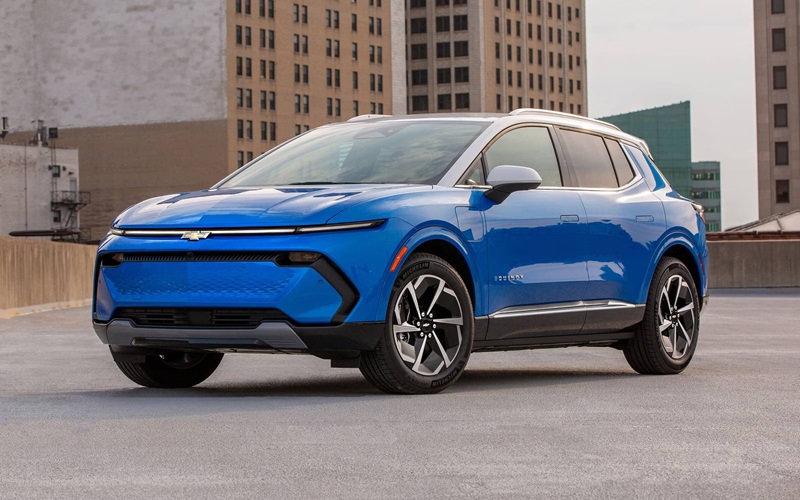
2026 Chevrolet Trax: What Defrost System Does It Use?
The Chevrolet Trax uses an integrated climate-control and defrost system designed to maintain windshield and window visibility under cold, humid, and wet driving conditions. The system combines HVAC airflow management, heating components, air conditioning-assisted dehumidification, electronic control modules, and glass-heating technologies to remove frost, ice, and interior condensation from glass surfaces. The defrost system is […]
The Chevrolet Trax uses an integrated climate-control and defrost system designed to maintain windshield and window visibility under cold, humid, and wet driving conditions. The system combines HVAC airflow management, heating components, air conditioning-assisted dehumidification, electronic control modules, and glass-heating technologies to remove frost, ice, and interior condensation from glass surfaces.

The defrost system is engineered to operate efficiently during varying environmental conditions while coordinating with the vehicle’s thermal management and cabin climate systems.
2026 Chevrolet Trax Defrost System
The defrost system in the Chevrolet Trax is designed to maintain clear visibility through the windshield and windows during cold-weather and high-humidity operation.
The system addresses two primary visibility issues:
- Exterior frost or ice accumulation
- Interior condensation and fogging
The system operates through coordinated use of:
- Heated airflow
- Air conditioning dehumidification
- Air distribution ducts
- Blower motors
- Electronic climate controls
- Electric glass-heating systems
Modern defrost systems are integrated directly with the vehicle’s heating, ventilation, and air conditioning assembly.
HVAC-Based Defrost Operation
Windshield Defrost Function
The primary windshield defrost system uses heated airflow directed toward the interior windshield surface.
When defrost mode is selected:
- The climate-control module adjusts airflow routing.
- Heated air is directed toward the windshield vents.
- Blower speed increases automatically.
- Moisture and frost begin to dissipate.
Warm airflow raises glass temperature and helps evaporate condensation or melt ice accumulation.
Defrost Air Duct Design
The dashboard includes dedicated defrost ducts positioned at the base of the windshield.
These ducts distribute airflow evenly across the glass surface to improve:
- Visibility restoration
- Frost removal consistency
- Condensation reduction
- Airflow coverage
Proper airflow distribution minimizes unwiped or fogged zones.
Side Window Defogging
The defrost system also directs airflow toward the front side windows.
Maintaining side-window visibility is important for:
- Mirror visibility
- Lane awareness
- Intersection observation
- Driver situational awareness
The airflow routing system uses dedicated side duct channels integrated into the dashboard structure.
Heater Core Integration
Cabin Heating Function
The defrost system relies heavily on the heater core for thermal energy generation. The heater core functions as a compact heat exchanger connected to the engine cooling system. Hot engine coolant flows through the heater core while air passes across its fins. The airflow absorbs thermal energy and becomes heated before entering the cabin ducts.
Coolant-Based Heat Transfer
The engine cooling system supplies thermal energy to the heater core continuously after engine warm-up. The heater core transfers heat into airflow without direct combustion inside the cabin.
This process supports:
- Windshield defrosting
- Cabin heating
- Window defogging
- Climate-control operation
Engine Warm-Up Dependency
The effectiveness of heater-core-based defrosting depends partially on engine temperature.
During cold starts:
- Coolant temperature is initially low
- Cabin heating performance increases gradually
- Defrost effectiveness improves as the engine warms
Modern thermal management systems attempt to accelerate warm-up performance.
Air Conditioning-Assisted Defogging
Moisture Removal Process
The defrost system commonly activates the air conditioning compressor during windshield defogging. Although air conditioning is associated primarily with cabin cooling, it also removes moisture from incoming air.
As air passes across the evaporator core:
- Moisture condenses onto the evaporator surface
- Cabin humidity decreases
- Dryer air enters the ventilation system
Low-humidity airflow improves defogging efficiency substantially.
Combined Heating and Dehumidification
The Trax defrost system may combine:
- Heated airflow
- Air conditioning operation
- Increased blower speed
This combination produces warm, dry air that clears condensation rapidly. The process is controlled automatically through the climate-control system.
Automatic Compressor Engagement
In many operating modes, the air conditioning compressor activates automatically during defrost operation. Automatic compressor engagement improves moisture removal even when the driver does not manually select air conditioning mode.
Blower Motor System
Blower Motor Function
The blower motor generates airflow throughout the HVAC system.
The motor pushes air through:
- Cabin air filters
- Evaporator cores
- Heater cores
- Air distribution ducts
During defrost operation, the control module may automatically increase the blower speed.
Variable-Speed Operation
Modern blower motors operate at variable speeds rather than simple fixed settings.
Variable-speed control allows:
- Improved airflow precision
- Reduced electrical consumption
- Better cabin comfort
- Faster windshield clearing
The system continuously adjusts airflow according to operating conditions.
Airflow Volume Control
Defrost performance depends heavily on airflow volume.
Higher airflow rates increase:
- Heat transfer to glass surfaces
- Moisture evaporation
- Frost removal speed
However, airflow balance must also maintain occupant comfort and noise control.
Climate Control Integration
Electronic Climate Management
The defrost system is integrated with the electronic climate-control module.
The module coordinates:
- Temperature settings
- Airflow routing
- Blower speed
- Air conditioning activation
- Recirculation control
The system operates continuously to maintain visibility and cabin comfort.
Automatic Defogging Systems
Certain Trax configurations may include automatic defogging functionality. Automatic systems monitor cabin conditions and adjust HVAC operation proactively before heavy windshield fogging occurs.
These systems may use:
- Humidity sensors
- Temperature sensors
- Windshield monitoring algorithms
Cabin Humidity Monitoring
Humidity sensors measure moisture levels inside the cabin.
High humidity may result from:
- Passenger respiration
- Wet clothing
- Snow accumulation
- Rainwater intrusion
The climate-control system adjusts airflow and dehumidification accordingly.
Air Intake and Recirculation Control
Fresh-Air Intake Mode
During defrost operation, the HVAC system commonly prioritizes fresh outside air intake. Outside air usually contains lower humidity than cabin air during cold-weather operation. This improves moisture removal efficiency.
Recirculation Mode Control
Cabin air recirculation may be reduced or temporarily disabled during windshield defrosting. Excessive recirculation can increase cabin humidity and worsen window fogging. The climate-control module automatically adjusts recirculation behaviour when necessary.
Airflow Routing Doors
The HVAC system uses electronically controlled blend doors and mode doors to direct airflow.
These doors regulate:
- Air temperature
- Vent location
- Fresh-air intake
- Recirculation behavior
Precise airflow routing improves defrost efficiency.
Rear Window Defogger System
Electric Rear Glass Heating
The rear window uses an electric defogger system rather than heated airflow. Thin conductive heating elements are embedded directly into the rear glass surface.
When activated:
- Electrical current passes through the conductive lines
- Electrical resistance generates heat
- Condensation and frost are removed
Timer-Controlled Operation
Rear defogger systems commonly operate on automatic timed cycles.
After activation:
- The system operates for a limited interval
- Electrical load is reduced automatically afterward
- Battery consumption is minimized
This improves energy efficiency and component protection.
Heated Exterior Mirrors
Certain Trax configurations may include heated exterior mirrors integrated with the rear defogger.
When activated:
- Mirror heating elements warm the glass
- Frost and condensation are reduced
- Side visibility improves
The mirror heating system uses low-power electric resistance heating technology.
Thermal Management and Energy Usage
Electrical Load Considerations
Defrost systems increase electrical and thermal demand due to:
- Blower motor operation
- Air conditioning compressor use
- Electric heating circuits
- Climate-control electronics
The vehicle electrical system manages these loads dynamically.
Engine Efficiency Coordination
The thermal management system coordinates cabin heating demand with engine operating efficiency.
Defrost operation influences:
- Coolant temperature regulation
- Idle speed behaviour
- Air conditioning compressor load
- Fuel consumption
The system balances visibility requirements with energy efficiency.
Defrost System and Driver Assistance Integration
Camera and Sensor Visibility
Many modern driver-assistance systems rely on windshield-mounted cameras and sensors.
Proper windshield clearing helps maintain visibility for systems such as:
- Lane-keeping assistance
- Automatic emergency braking
- Traffic-sign recognition
- Rain-sensing systems
Windshield Clarity Importance
Condensation or frost can interfere with sensor visibility and reduce the performance of driver-assistance systems. The defrost system therefore supports both driver visibility and sensor functionality.
Diagnostic and Monitoring Systems
Electronic System Monitoring
The climate-control system continuously monitors component operation.
The system can detect faults involving:
- Blower motor operation
- Temperature sensors
- Blend door actuators
- Humidity sensors
- Air conditioning communication
Diagnostic trouble codes may be stored electronically.
Electrical Circuit Protection
Electric heating circuits use relays and fuses to protect against:
- Overcurrent conditions
- Short circuits
- Electrical overload
This improves system reliability and operational safety.
Go North Surrey technicians may inspect blower motors, heater core performance, HVAC controls, rear defogger circuits, and climate control electronics during diagnostic and maintenance procedures.
2026 Chevrolet Trax FAQ
What type of defrost system does the 2026 Chevrolet Trax use?
The vehicle uses an electronically controlled HVAC-based defrost system that directs heated and dehumidified airflow toward the windshield and windows.
Does the Trax use air conditioning during defrost operation?
Yes. The air conditioning system may automatically activate during defogging to remove moisture from the cabin air.
How does the rear window defogger work?
The rear window uses electrically heated conductive lines embedded in the glass to warm the surface and remove condensation or frost.
Why does the defrost system use outside air?
Fresh outside air generally has lower humidity than recirculated cabin air, improving moisture removal and windshield-clearing efficiency.
Can the defrost system operate automatically?
Certain configurations may include automatic climate-control and defogging systems that electronically adjust airflow and humidity.
Disclaimer: Content contained in this post is for informational purposes only and may include features and options from US or internacional models. Please contact the dealership for more information or to confirm vehicle, feature availability.