2026 Chevrolet Equinox EV: What Battery Dashboard Shows?
The Chevrolet Equinox EV uses a digital battery information dashboard integrated into the vehicle’s instrument cluster and infotainment system to display real-time electric powertrain and battery operating data. The system monitors battery charge status, energy consumption, charging activity, regenerative braking performance, driving range estimates, and thermal management information via electronically controlled battery management systems. The […]
The Chevrolet Equinox EV uses a digital battery information dashboard integrated into the vehicle’s instrument cluster and infotainment system to display real-time electric powertrain and battery operating data. The system monitors battery charge status, energy consumption, charging activity, regenerative braking performance, driving range estimates, and thermal management information via electronically controlled battery management systems.
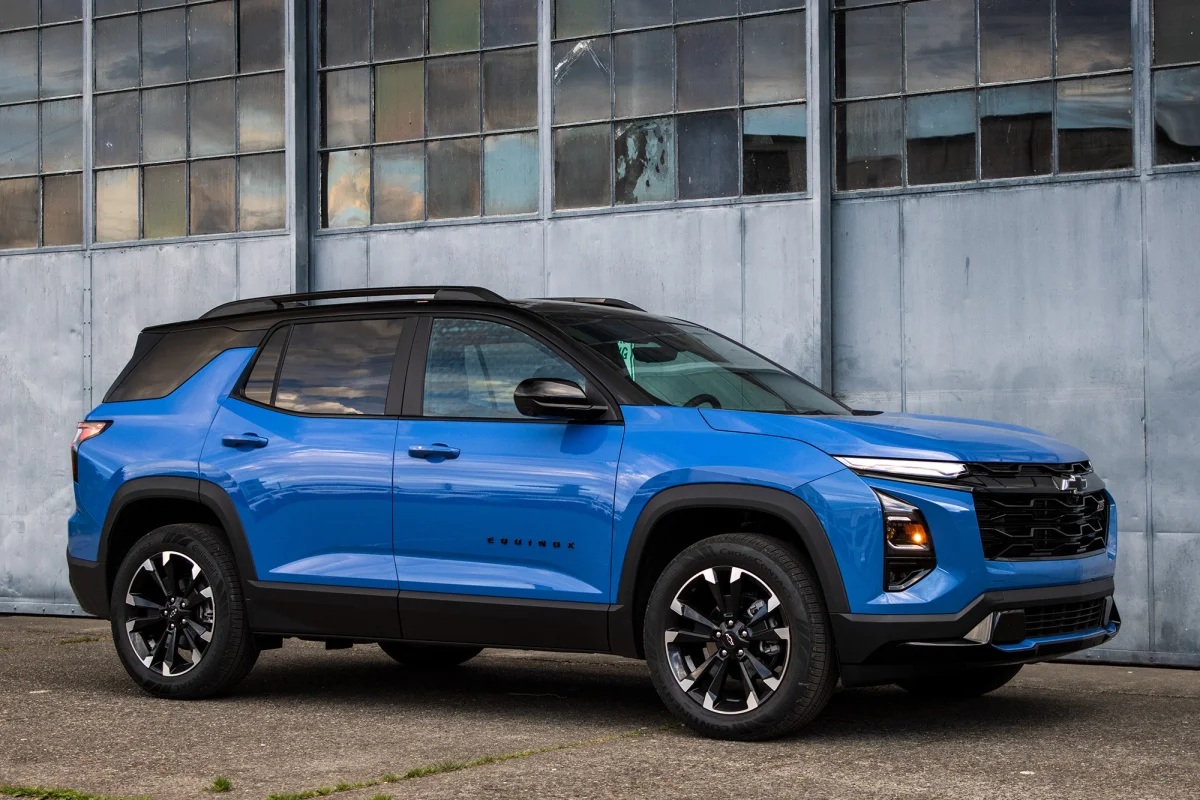
The battery dashboard is part of the vehicle’s broader energy-management architecture and provides drivers with the operational data needed for efficient electric-vehicle use and charging management.
2026 Chevrolet Equinox EV Battery Dashboard System
The battery dashboard in the Chevrolet Equinox EV is designed to provide drivers with real-time information regarding the vehicle’s high-voltage battery system and electric powertrain operation.
Unlike conventional fuel gauges used in internal combustion vehicles, electric vehicle battery dashboards display multiple layers of operational energy data.
The system provides information including:
- Battery charge level
- Estimated driving range
- Charging performance
- Regenerative braking activity
- Energy efficiency
- Battery thermal conditions
- Power usage distribution
The dashboard integrates directly with the vehicle’s battery-management system and electronic control network.
Battery State of Charge Display
State of Charge Function
One of the primary battery dashboard displays is the battery state-of-charge indicator. State of charge represents the amount of usable electrical energy remaining in the high-voltage battery pack. The display functions similarly to a fuel gauge but measures electrical energy rather than liquid fuel volume.
Percentage-Based Display
Most electric vehicle dashboards display battery state of charge as a percentage.
For example:
- 100% indicates maximum usable battery charge
- Lower percentages indicate reduced available energy
The battery-management system calculates this value continuously using:
- Voltage measurements
- Current flow monitoring
- Battery temperature data
- Cell balancing information
Battery Buffer Management
The displayed percentage does not necessarily represent the battery’s total physical capacity. Electric vehicles typically reserve small portions of battery capacity at the upper and lower ends to protect battery longevity and stability. The battery-management system automatically controls these protective operating limits.
Estimated Driving Range
Range Calculation System
The Equinox EV dashboard continuously estimates the vehicle’s remaining driving range based on the current battery charge and energy consumption.
The estimated range calculation considers factors such as:
- Recent driving efficiency
- Vehicle speed
- Acceleration patterns
- Climate-control usage
- Ambient temperature
- Terrain conditions
The displayed range updates dynamically while driving.
Adaptive Energy Prediction
The range estimation system continuously adjusts predictions in response to changing operating conditions.
For example:
- Aggressive acceleration may reduce the estimated range
- Efficient driving may increase the predicted range
- Cold temperatures may reduce efficiency
The system uses predictive algorithms to improve estimate accuracy.
Route-Based Range Estimation
Certain configurations may integrate navigation-based energy prediction.
The system can evaluate:
- Elevation changes
- Traffic conditions
- Road speed limits
- Destination distance
Energy Consumption Displays
Real-Time Energy Usage
The Equinox EV battery dashboard may display instantaneous energy consumption levels during vehicle operation. This information allows drivers to monitor how driving behaviour affects energy efficiency.
The display may indicate:
- Current power demand
- Acceleration energy usage
- Auxiliary system consumption
- Regenerative energy recovery
Efficiency Metrics
The system may display energy efficiency using units such as:
- Kilowatt-hours per 100 kilometres
- Distance per kilowatt-hour
These metrics help drivers evaluate operating efficiency under different conditions.
Historical Consumption Data
Some dashboard systems store historical energy usage information.
Drivers may review:
- Average efficiency
- Trip energy consumption
- Long-term energy trends
- Climate-control energy impact
This information supports energy-management awareness and route planning.
Equinox EV Regenerative Braking Displays
Regenerative Energy Recovery
The Equinox EV uses regenerative braking to recover kinetic energy during deceleration. The electric drive motor temporarily operates as a generator, converting vehicle motion into electrical energy stored in the battery.
Regeneration Indicators
The dashboard may display regenerative braking activity through:
- Energy flow graphics
- Regeneration gauges
- Power meter indicators
- Deceleration energy displays
These indicators show when energy is being returned to the battery.
Power Flow Visualization
Some displays use animated graphics to illustrate energy movement between:
- Battery pack
- Electric motors
- Wheels
- Charging systems
These visualizations help explain powertrain operation during driving and charging.
Charging Status Information
Charging Progress Displays
During charging, the dashboard displays the charging status.
The charging interface may show:
- Current battery percentage
- Estimated charging completion time
- Charging speed
- Energy transfer rate
- Charging mode status
This information updates continuously during charging sessions.
AC and DC Charging Recognition
The battery dashboard can identify different charging methods, including:
- AC Level 1 charging
- AC Level 2 charging
- DC fast charging
Charging rates and estimated completion times vary with available charging power.
Charging Power Measurement
The system may display charging power in kilowatts. Higher charging power allows faster battery replenishment under compatible charging conditions.
The battery-management system regulates charging power according to:
- Battery temperature
- State of charge
- Charger capability
- Thermal-management requirements
Battery Thermal Management Information
Battery Temperature Monitoring
High-voltage battery performance depends heavily on temperature control. The battery-management system continuously monitors battery temperature.
Thermal conditions affect:
- Charging speed
- Energy efficiency
- Battery durability
- Power output capability
Thermal Protection Functions
The Equinox EV dashboard may display warnings or notifications if battery temperatures move outside preferred operating ranges.
Thermal-management systems may automatically activate:
- Liquid cooling circuits
- Electric heaters
- Cooling pumps
- Refrigerant-based cooling systems
Cold Weather Effects
Cold temperatures can temporarily reduce battery efficiency.
The dashboard may indicate:
- Reduced available power
- Slower charging capability
- Temporary range reduction
Battery preconditioning systems may help improve charging performance under cold conditions.
Battery-Management System Integration
Battery-Management Architecture
The battery dashboard receives information from the battery-management system.
The battery-management system monitors:
- Cell voltage
- Current flow
- Temperature
- State of charge
- Cell balancing
- Insulation integrity
The dashboard displays processed information from these systems.
Cell Balancing Monitoring
Lithium-ion battery packs contain multiple individual battery cells grouped into modules.
The battery-management system monitors and balances cell voltages to maintain:
- Charging consistency
- Battery longevity
- Electrical stability
The dashboard may display service alerts if abnormalities occur.
Safety Monitoring
The battery-management system continuously evaluates battery safety conditions, including:
- Overvoltage
- Undervoltage
- Overheating
- Isolation faults
- Charging abnormalities
The dashboard communicates critical alerts to the driver when necessary.
Power Meter Displays
Power Output Indicators
Many electric vehicle dashboards replace conventional tachometers with power meters.
Power meters display:
- Energy consumption during acceleration
- Regenerative braking activity
- Available power output
- Efficiency zones
Instantaneous Torque Demand
Electric motors produce an immediate torque response. The dashboard may visualize motor power demand during acceleration and deceleration. This helps drivers understand energy usage behaviour.
Efficiency Coaching
Some systems include efficiency guidance indicators that encourage energy-efficient driving behaviour. The system may recommend smoother acceleration or optimized regenerative braking.
Navigation and Energy Integration
Route Energy Prediction
Integrated navigation systems may calculate projected battery usage for selected routes.
The system considers:
- Elevation changes
- Traffic conditions
- Climate-control demand
- Average speed
Charging Station Integration
The dashboard may display charging station information, including:
- Charger availability
- Estimated arrival battery percentage
- Charging compatibility
- Route-based charging planning
Destination Range Analysis
Some systems evaluate whether the current battery charge is sufficient to reach the selected destination. The dashboard may recommend charging stops automatically if necessary.
Driver Information and Alerts
Battery Warning Notifications
The dashboard may generate alerts related to:
- Low battery charge
- Charging interruptions
- Thermal limitations
- System faults
- Charging connector status
The warning system helps maintain safe battery operation.
Reduced Power Notifications
If battery temperature or charge conditions limit performance, the system may display reduced-power notifications.
These conditions help protect:
- Battery cells
- Power electronics
- Electric motors
Service Diagnostics
The dashboard may also communicate diagnostic warnings related to high-voltage system operation.
Digital Display Architecture
Instrument Cluster Integration
The battery dashboard is integrated into the digital instrument cluster and infotainment system. The displays use electronically configurable software interfaces that can present multiple layouts of information.
High-Speed Data Communication
The dashboard communicates with vehicle control modules through high-speed electronic communication networks.
The system receives real-time data from:
- Battery-management modules
- Charging systems
- Power electronics
- Electric drive units
Software-Based Updates
Certain display features may be updated through software revisions that improve visualization, charging information, or energy-management functionality.
2026 Chevrolet Equinox EV FAQ
What information does the 2026 Chevrolet Equinox EV battery dashboard display?
The dashboard displays the battery charge level, estimated driving range, charging status, regenerative braking activity, and energy consumption.
How does the vehicle calculate estimated driving range?
The system calculates range based on battery charge level, recent driving efficiency, temperature conditions, climate-control usage, and driving behaviour.
Can the dashboard show charging progress?
Yes. The dashboard displays the charging percentage, estimated charging completion time, charging speed, and charging power.
What is regenerative braking information on the dashboard?
Regenerative braking displays show when the electric motor is recovering energy during deceleration and returning electricity to the battery.
Does the Equinox EV battery dashboard monitor battery temperature?
Yes. The battery-management system continuously monitors battery temperature and may display warnings or charging adjustments if temperatures become too high or too low.
Disclaimer: Content contained in this post is for informational purposes only and may include features and options from US or internacional models. Please contact the dealership for more information or to confirm vehicle, feature availability.